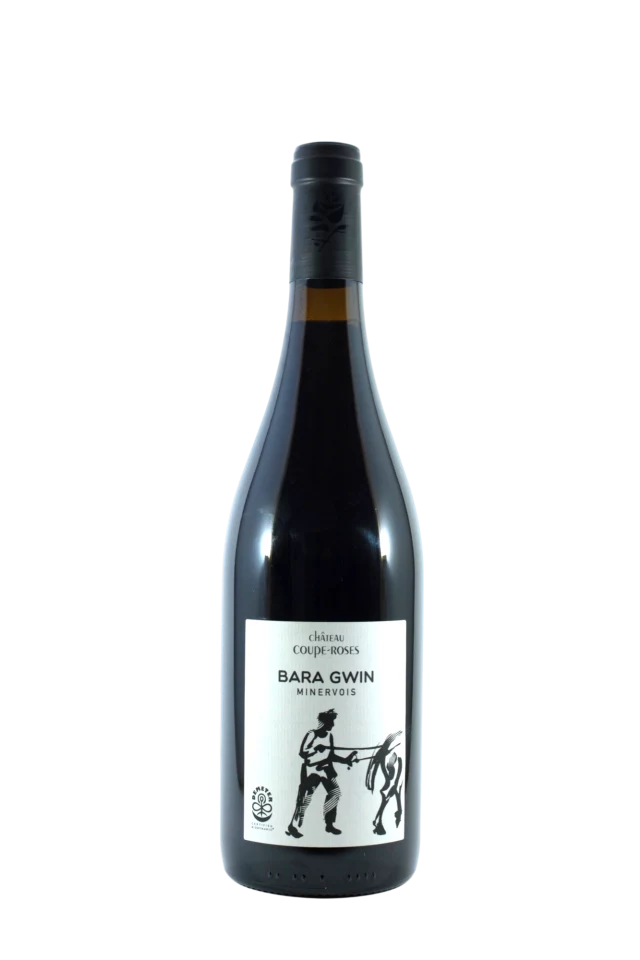
Bara Gwin
Bread and wine in Breton: hence the word “baragwiner”. A wine for simple moments and everyday meals.
 Château Coupe-Roses
This website presents and sells alcoholic beverages. Alcohol cannot be sold to minors.
Your choice is saved on this device for 30 days.
Marls, variegated clays and clay-limestone formations.
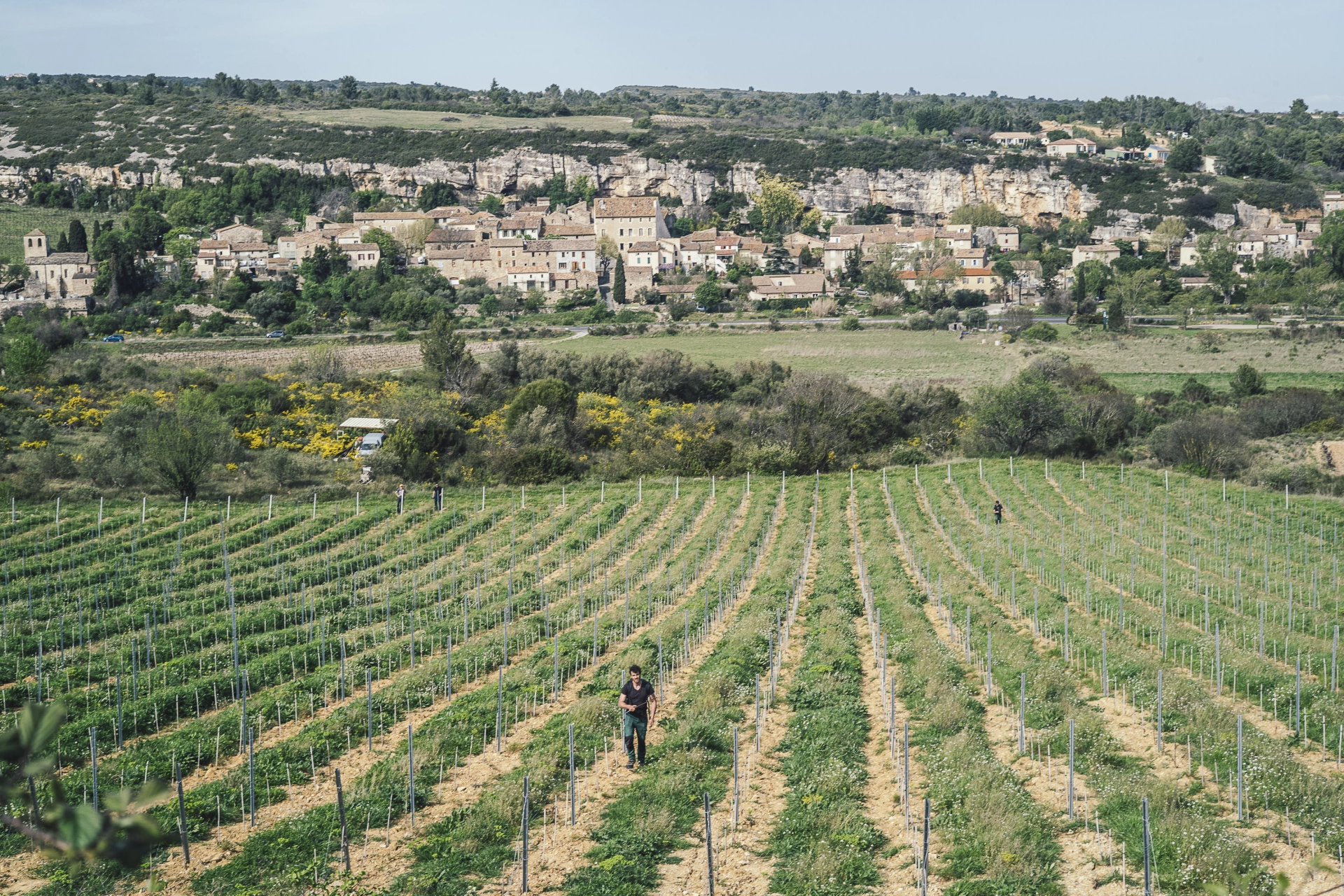
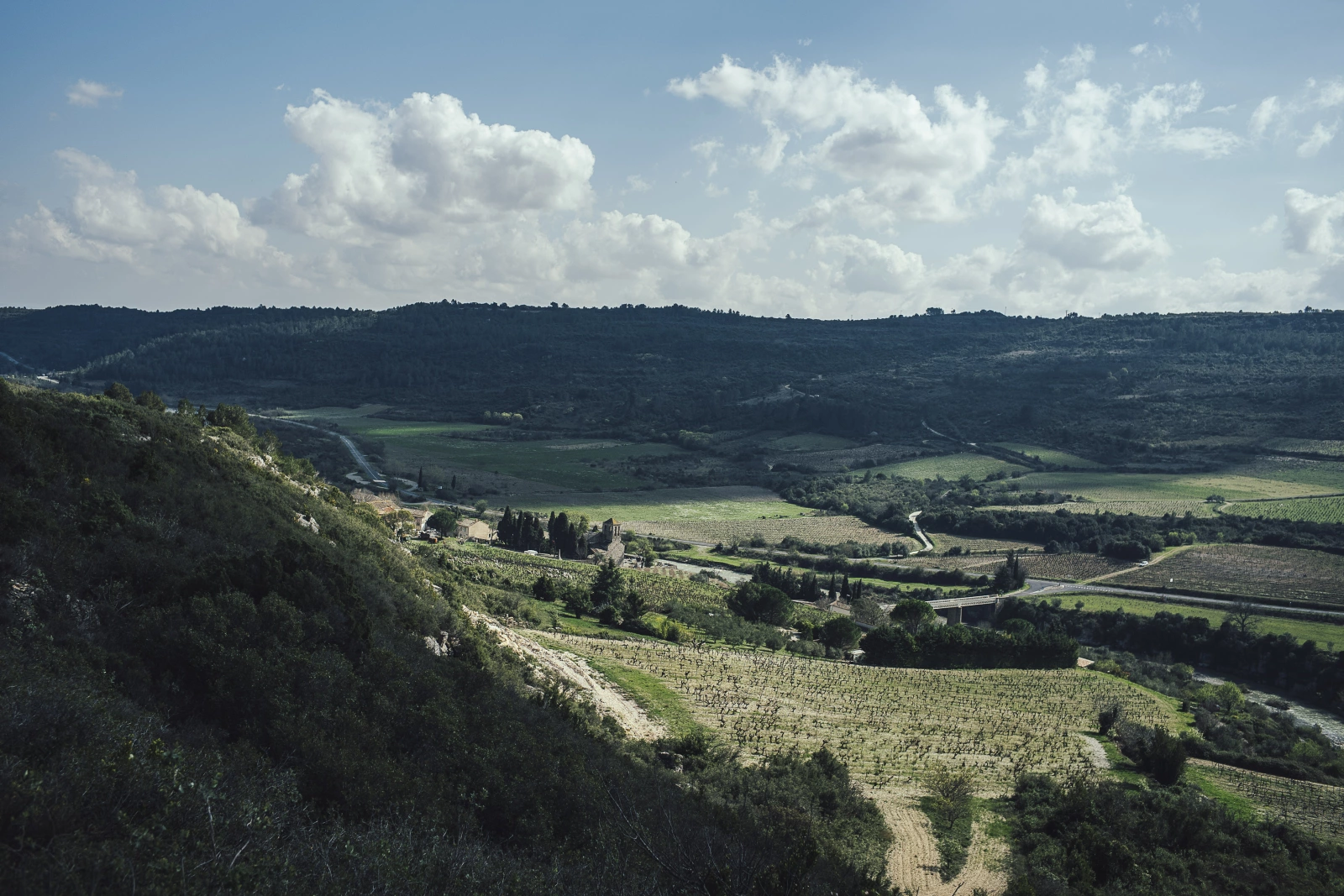
It is difficult to group soils of such great diversity under a single, falsely uniform heading. These clay-limestone terroirs share certain characteristics—notably high pH, a high proportion of clay and therefore good water retention, as well as possible restrictions on cation availability—but they respond differently both to weather events and to cultivation practices.
Our task is to match the planted variety or varieties as closely as possible to the unique behaviour of each plot, determined by its soil, subsoil, aspect, altitude and much more. In this we owe a debt to previous generations, who experimented, sometimes succeeded and sometimes failed. That is how we now know that Syrah thrives in the clay of Babio and on the Graniès and Fauzan limestone plateaux, but struggles on the Causse de La Caunette.
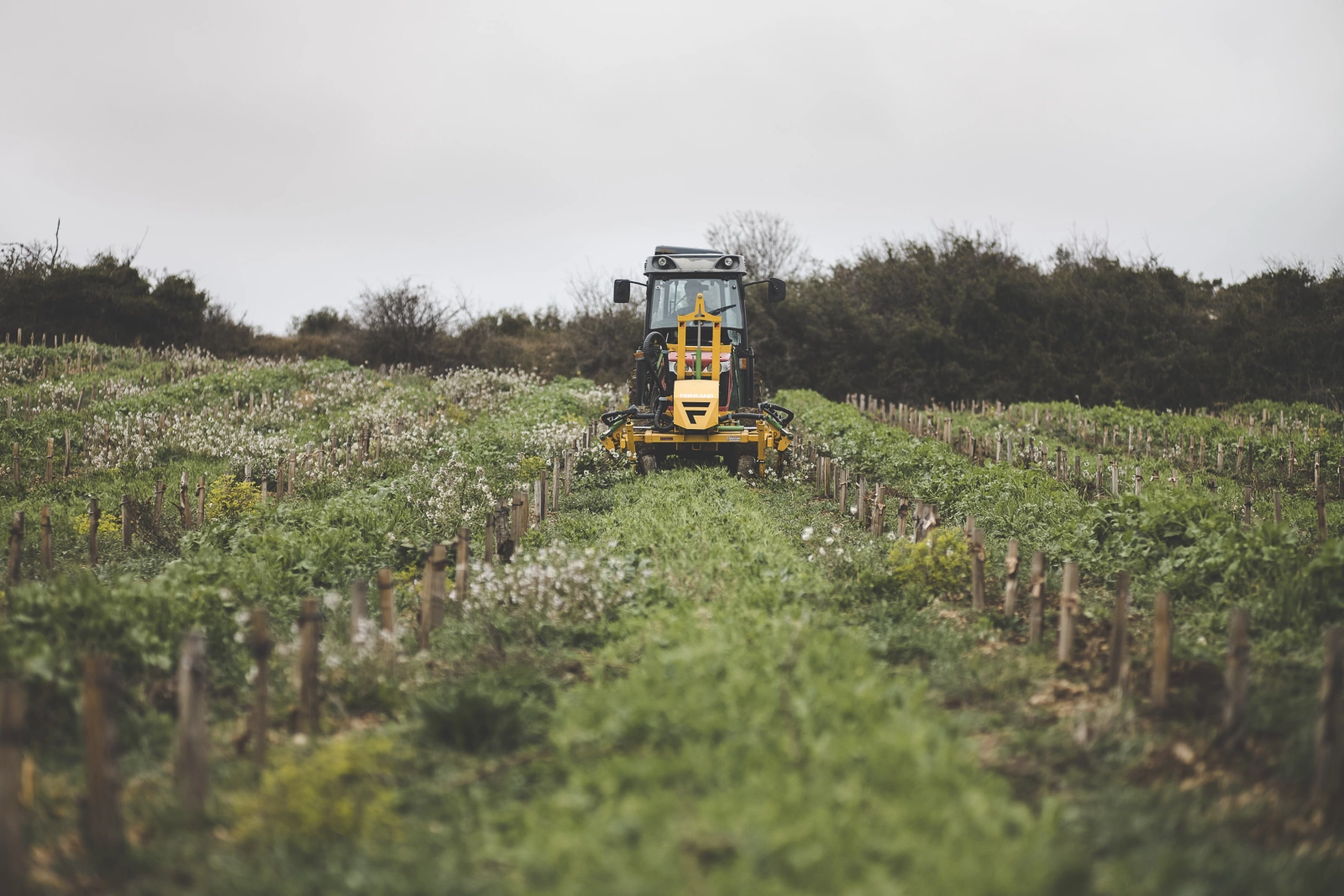
Our interventions are generally guided by practical observation: accumulated experience tells us how these soils behave. Some seal over very quickly after rain, such as the variegated clays containing much coal at Cassagne, or the so-called “Coupe-Roses” clays, rich in manganese, on the La Coste site. Others, loosened by a scattering of limestone stones as at Conques, are easier to work.
Some sites are covered with limestone and sandstone pebbles and drain water rapidly, making them somewhat less resilient to drought than the heavy clays of Babio or Conques. Yet lignite seams run through them, bringing welcome fruit notes to the wines they produce, notably our Bara Gwin.
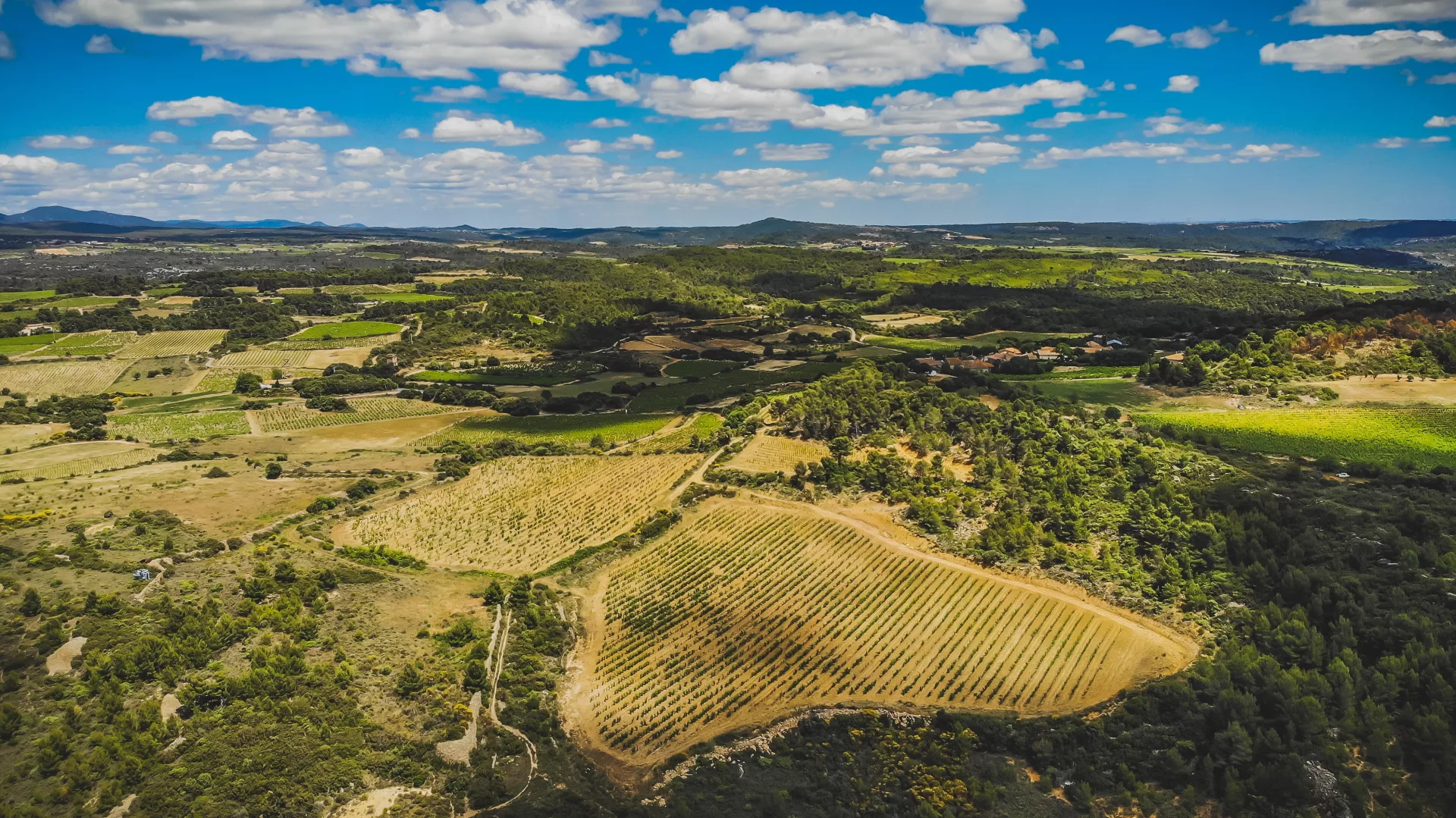
All these clays share one essential characteristic: they carefully retain the water accumulated during winter and release it gradually to the vines throughout summer, allowing them to keep functioning. This helps avoid the stalls in ripening sometimes encountered on limestone-plateau terroirs.
Vines need a degree of water stress, but it must not bring plant activity to a halt. To ripen fully and evenly, our vines need some access to water throughout the summer, even in small amounts.
On terroirs such as La Coste, where we dug three soil pits in September and October, we found liquid water at a depth of 120 cm, even after a very dry summer and early autumn.
Bread and wine in Breton: hence the word “baragwiner”. A wine for simple moments and everyday meals.
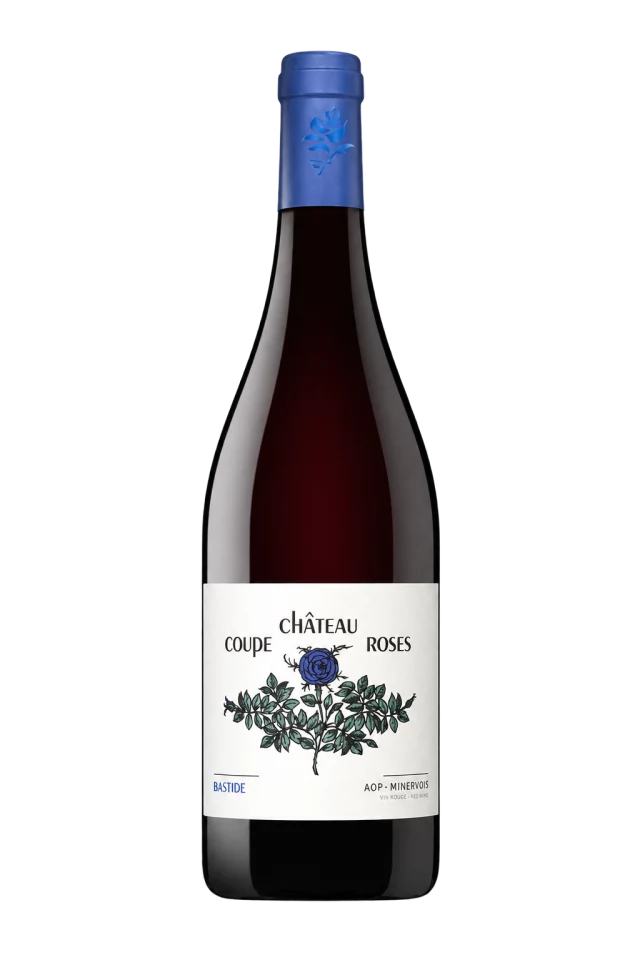
An introduction to our land. A blend of all our terroirs, offering a snapshot of the estate as a whole.
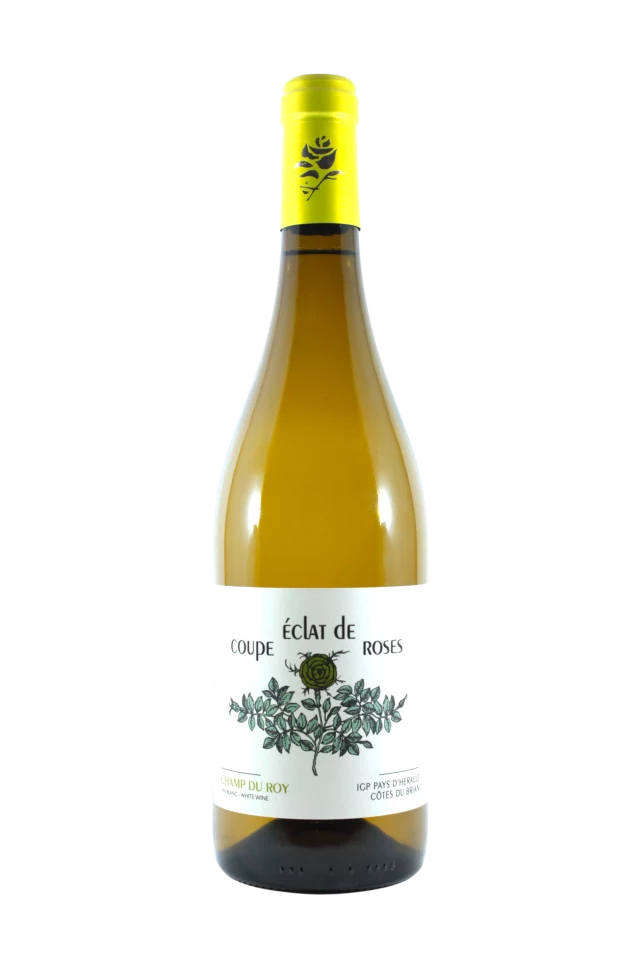
A blend of several terroirs and grape varieties: a synthesis of our white wines.
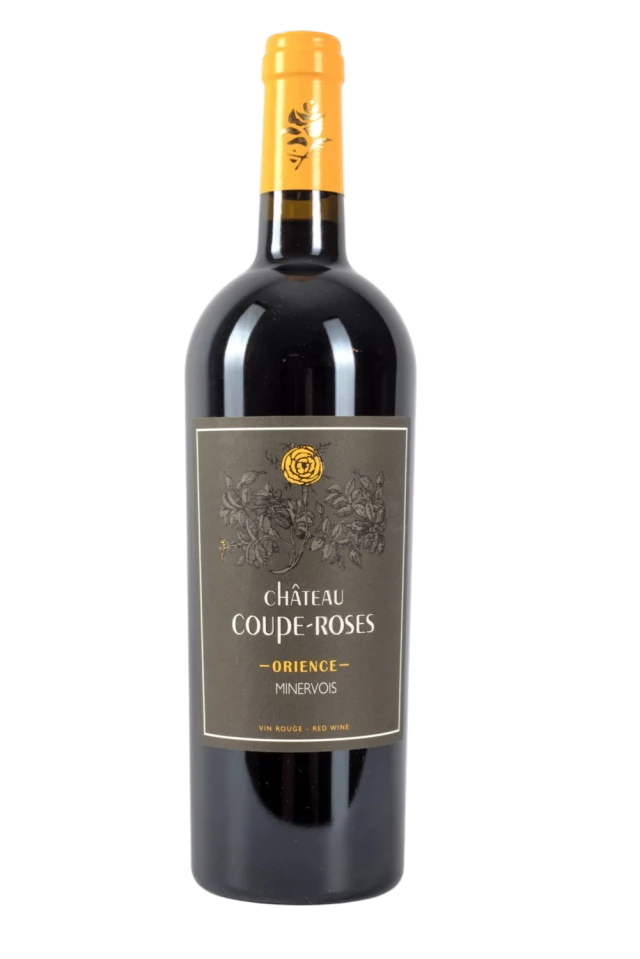
A single-vineyard selection of old Syrah vines on variegated clays.